All Posts By

Victoria Nguyen

Warm minimalism

By Interior Design

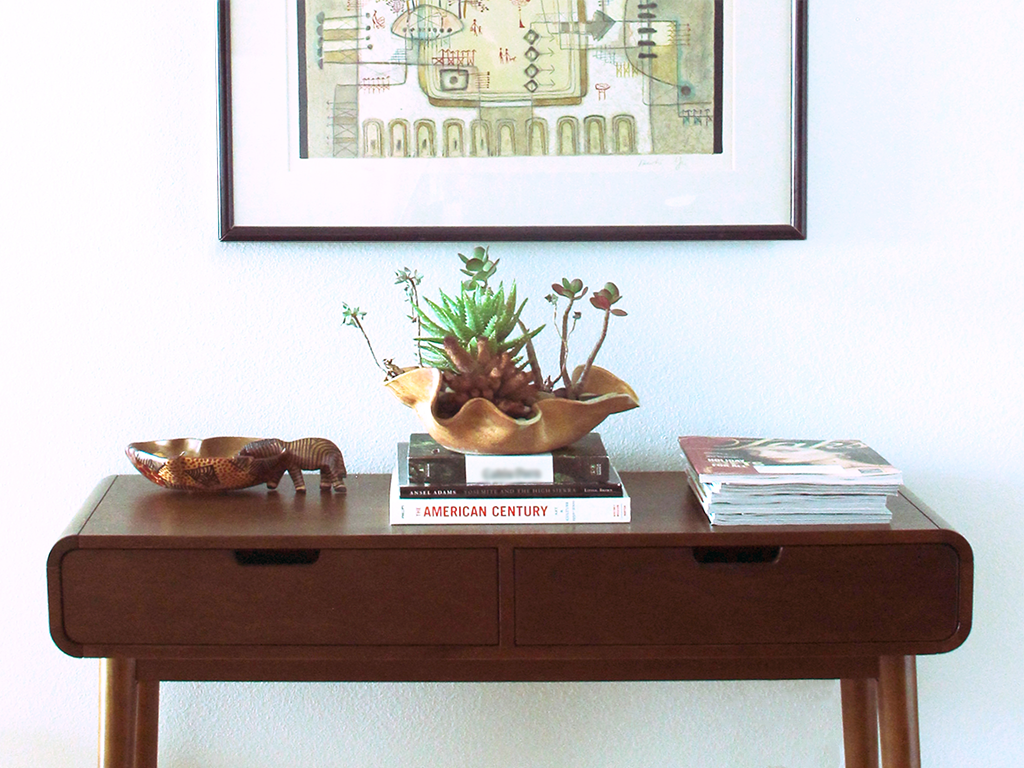
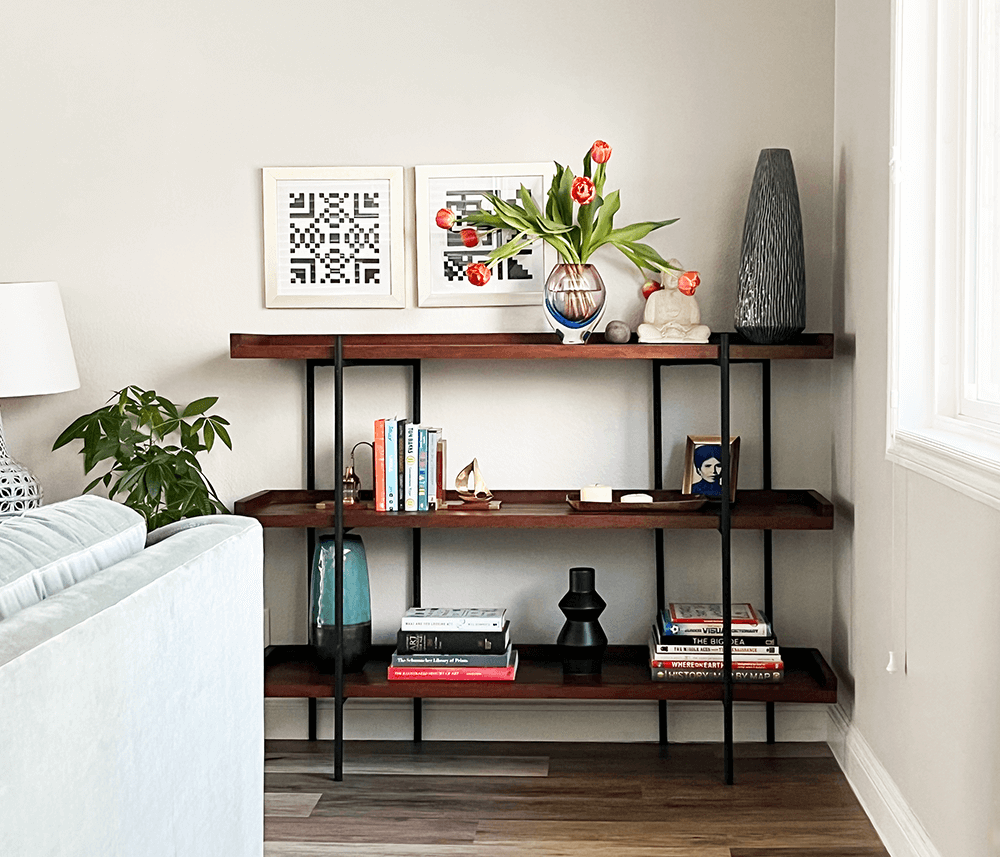
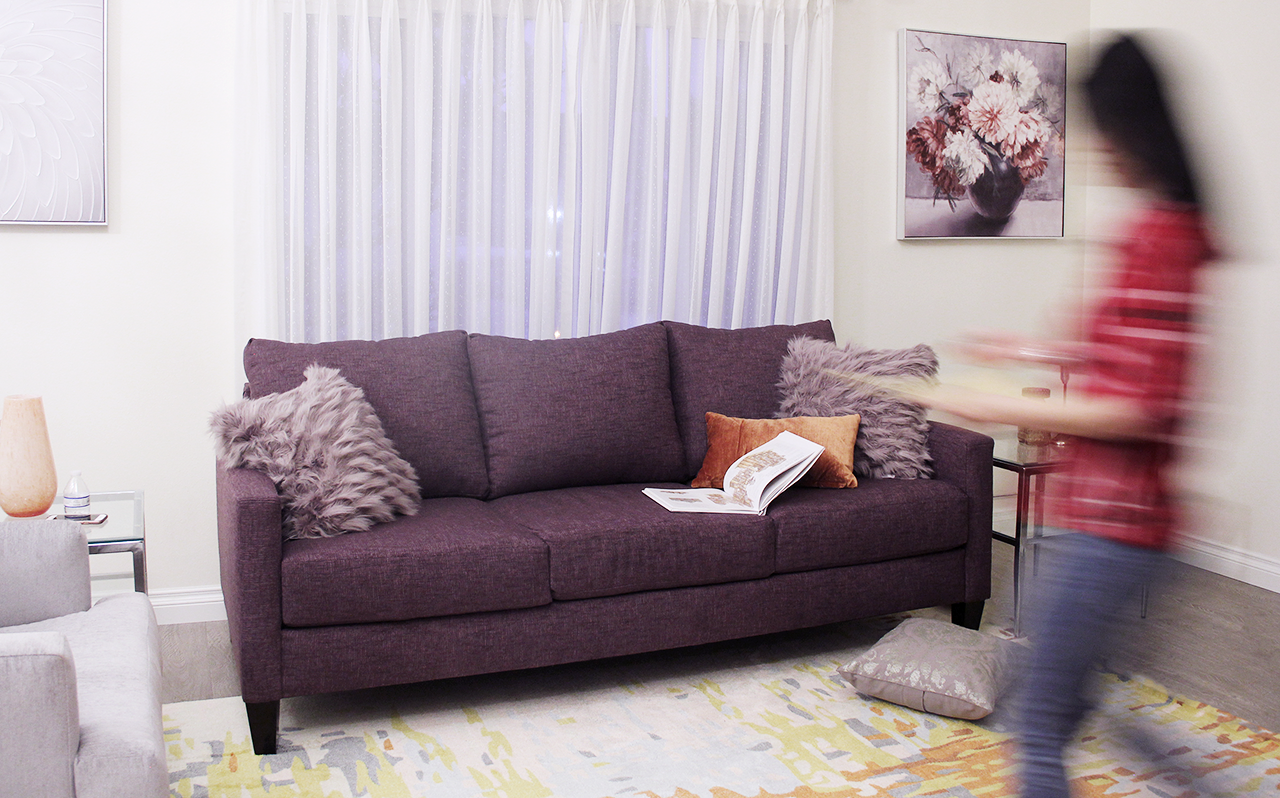
Warm minimalism combines the clean lines and simplicity of minimalism with cozy textures and materials. While traditional minimalism can sometimes feel stark and cold, warm minimalism creates a calming and inviting atmosphere that is perfect for modern living.

In warm minimalism, quality takes precedence over quantity. Instead of filling a space with lots of furniture and decorative items, the focus is on selecting a few aesthetically pleasing and functional high-quality pieces. The result is a clutter-free and calming environment that is both stylish and practical.

One of the key features of warm minimalism is the use of natural materials and textures such as wood, linen, cotton, wool, and leather. These materials add warmth and texture to a space and help create a sense of balance and harmony. They are often used in their natural state, with minimal treatment or embellishment, and are sustainable and eco-friendly.

The color palette in warm minimalism is typically soft, neutral, and earthy, with commonly used shades including white, beige, terra cotta, gray, sage green, and black. These are often paired with natural wood tones to create a cozy and inviting atmosphere, which is timeless and versatile.

Furniture in warm minimalist interiors is characterized by clean lines and simple designs, with pieces selected for their function as well as their form. Often multi-purpose, they maximize space efficiency. Chairs, sofas, and beds are upholstered in natural fabrics such as linen or cotton, and lighting fixtures may feature metals with warmer tones such as brass or copper.

Warm minimalist interiors also incorporate a few well-chosen decor items, such as indoor plants, candles, and other decorative objects made from natural materials such as wood and stone. These elements add interest and texture to the space without overwhelming it, and create a sense of balance and harmony.

Overall, warm minimalism is a design trend that combines the simplicity of minimalism with the warmth and texture of natural materials. The overall effect of a warm minimalist interior is a calming and welcoming atmosphere that is both practical and beautiful. The style is suitable for any space, from small apartments to large homes, and can be easily customized to suit personal tastes and preferences.
Sound of Home - Interior Design - interior design - california

Layout and concept

By Interior Design

Have you ever asked yourself, when it comes to interior design, what is the highest potential of a design? What is the best design which you can create for your home? Is it the budget which decides how far you can go? Is it the super ideas which you are still searching for? Being unsure about the result, you are afraid of making mistakes. You end up paying for the safest options someone – your contractor, the store salesman, or Pinterest – presents to you. The result would either show that you are financially stable or risk adverse or both. It would also show that you had not designed the house at all. You had only furnished it.

Designing a living space has two objectives: (1) to arrange your belongings in an optimal way for your lifestyle and (2) to provide you and you visitors a state of emotion. In short, that is the layout and the concept. 

The layout has to be logical, practical, and easy to perceive. You and your visitors should “get” it the minute you enter the house. A good layout makes people feel safe and comfortable. A great layout adds visual balance to the mix. Don’t fill up the house, leave it some space to grow with you. On the other hand, don’t leave it empty, because it will stay empty for a long time. Everytime you look at it, you are reminded that you still need to do something about it.

While the layout has to be straightforward, the concept generates emotions and makes the interior interesting. Some people get bored of their living space after a while even though it is scattered with things they like or used to love. That is because there is no concept, no emotion, and therefore no attachment. A suitable concept keeps your interest and your visitors’ curiosity in the house. For the house to have a positive effect on your well-being, the emotions should be positive, such as happy, fun, relaxed, interesting, or even quaint if you like it. A concept gives the house a soul. It helps make the house cohesive. It can also be developed and changed over time.

It is not the budget or the ideas which decide a successful interior design project. Your house doesn’t need to be luxurious or fill with creative ideas to be sophisticated. If you want to love your house more every day, answer this question: what is the most productive layout and concept for your lifestyle? The more straightforward and ambitious you are working on the layout and the concept, the better design you will achieve.


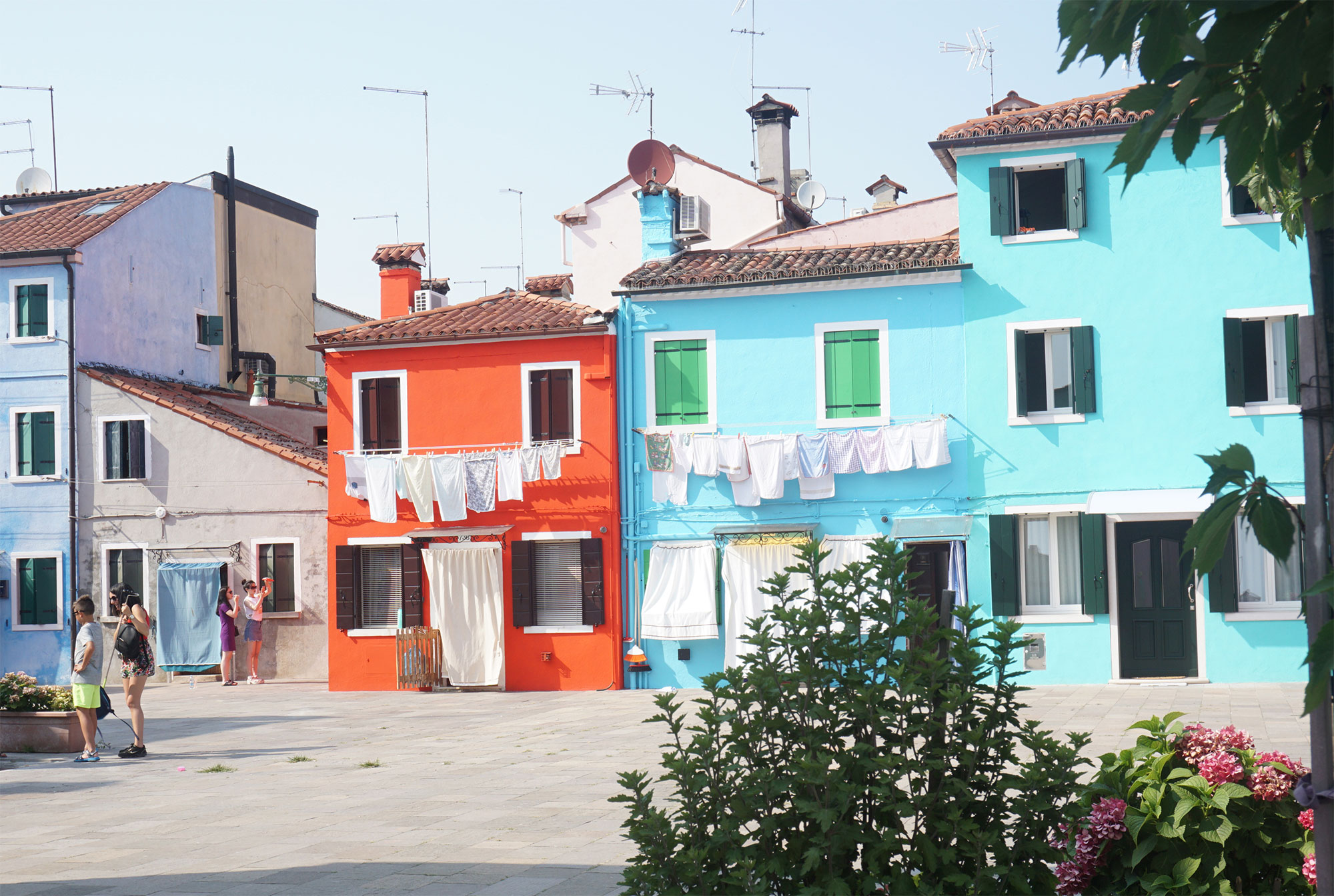
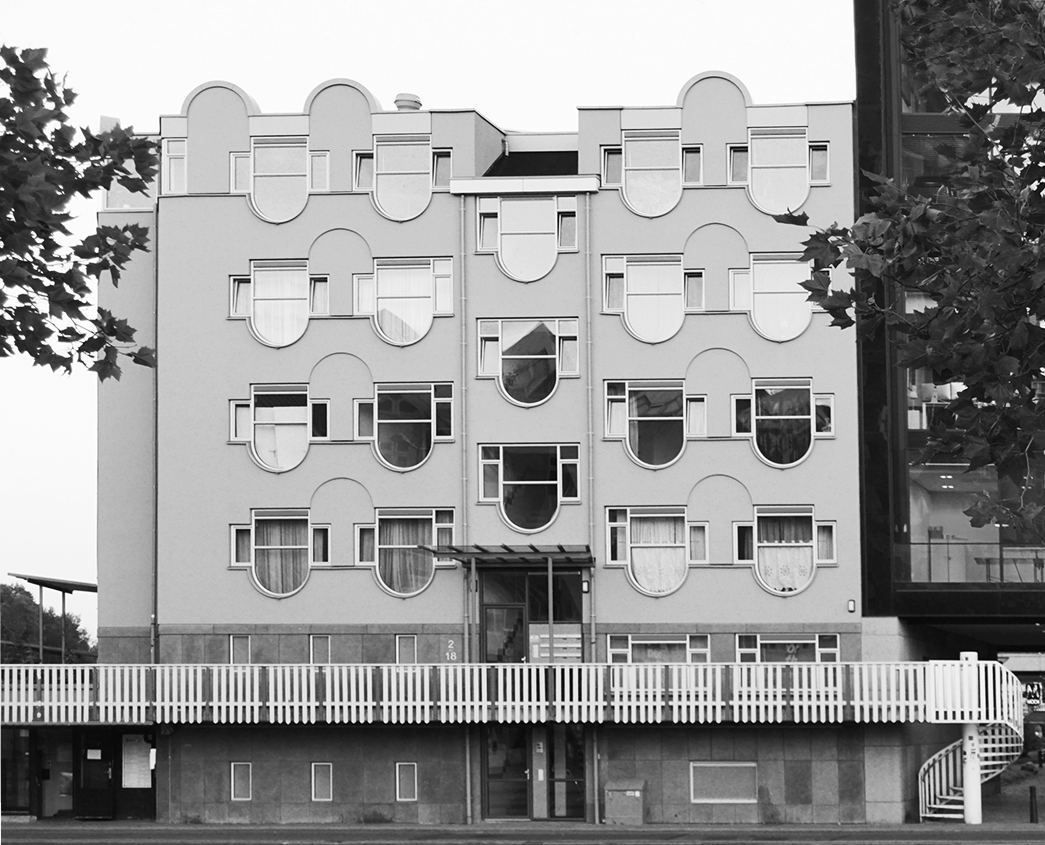
(Picture: A building near Cube Houses, Rotterdam, the Netherlands)

Sound of Home - Interior Design - interior design - california

Idea and execution

By Interior Design

Recently, a friend asked me why I want to be a designer. I smiled and said “I had my ideas stolen all the time, now I want to sell them instead.” Both of us laughed at the joke as we knew that it could not be further from the truth. Over the years, I have learned that in interior design and maybe in everything else, ideas alone are not enough. It is execution that matters. You are a dreamer when you have great ideas, but you are a winner if you know how to turn those ideas into reality.

Why is execution so important? Because if we don’t know how to implement an idea, we cannot evaluate it. In order to judge if the idea is worthwhile – possible, practical, and budget-friendly – we have to figure out an execution plan. There is information we need to find, materials we need to have, and people we need to know. It would be valuable if we have such knowledge, connection, and experience in advance. An idea might seem very promising until we find out that it would be prohibitively costly or even impossible to execute.

Knowing how to follow through with the execution plan is another important matter. From a simple repair project to a more comprehensive renovation, there are so many ways a project can go off track. It is common that a construction project is overdue and over-spent. An interior designer should be not only a thoughtful draftsperson but also a competent project manager. As someone who has done one thing over and over again, the designer can save us from making avoidable mistakes. Even when we have a detailed plan, troubles will arise unexpectedly. Having someone to ask questions and rely on is reassuring.

It is always a big step from a 3D sketch to a completed interior. An interior designer does not just sell ideas, she ensures that the ideas work. She is the bridge between an idea and its materialization. That is why I want to be a designer: to be that bridge and to see my ideas taking place.

Sound of Home - Interior Design - interior design - california

Character

By Interior Design

It is so easy to lose individual character nowadays. There is so much noise: “Reality” stars, Instagram influencers, YouTube personalities, Twitter hashtags, etc. A variety of options, opinions, and images are designed to attract us and get us involved. Not all of them are irrelevant or misleading. They are just overwhelming.

I currently have a couple of projects in which the clients want me to fix uncharacteristic interiors filled with trendy unused items promoted by social media. It may be appealing to us to bring a beautiful Pinterest image to life right in our living room, but we soon realize that we are living in someone else’s home. A strictly mid-century modern design hardly accommodates new mix-matched add-ons from everyday life. Tons of boho planters with dying plants are hard to keep up with. White linen couches and curtains are not made for young children.

A house is to live in. It shouldn’t be too stylish or precious to prevent us from enjoying it. We should feel comfortable in and be inspired by our own home. That is the type of luxury which we should embrace. I have a client who wants daybeds instead of sofas in her living room. Why not? One client wants to refurbish a 4-person office workstation in his open-plan family room so the family can work, study, and play games together. Why not? Another client wants old folding theater chairs in his hallway. Why not?

Let’s inject our personality into our house interiors. The ideas should be there already. A simple brainstorming session would help. Interiors should be designed for those who live in it.

Sound of Home - Interior Design - interior design - california

How to enjoy your interior design project

By Interior Design

Set your budget

The first time I ask my clients “What is your budget for this project?”, many cannot give me a specific answer. Most of the answers are vague, such as “I’m not sure” or “It depends on how much it costs.” Even though it may be difficult to decide how much to invest in renovating your home, it is very important to specify a budget early in the process to avoid the confusion, frustration, and stress involved. My job is to provide my clients as much information as they need to make the decision a little easier.

The cost of an interior design project varies greatly depending on many factors, including the scope, quality, and timeline required. By setting a budget in advance, you can set priorities and narrow down your options (our problem nowadays is often that we have way too many options). From there, the interior designer can help you explore alternatives, control spending, and find the best outcome for your desired goals. Unless spending is not an issue for you, a budget gives you peace of mind and helps you enjoy your interior design project without losing sleep every time a major expenditure occurs.

Get to know your interior designer

Setting your budget and making other project related decisions will be much easier if you trust your interior designer. The interior designer is someone who helps envision some of your most personal spaces. I need to understand you as a person: your family, occupation, lifestyle, aesthetic taste, and expectations. It is also necessary for you to get to know your designer: her ability, experience, work style, and connections. I would propose that we follow a “Verify – Approve – Trust” model in which we will learn to work with each other along the way. Once there is mutual trust between us, communication and decision making will happen naturally and with ease.

Have fun!

I recently designed and helped renovate a beauty salon. The focus of a commercial project is normally a mix of maximizing functionality, minimizing costs, and meeting deadlines. There often are tension and stress. When I met the salon’s owner for the first time, I, however, found out that she wanted to enjoy the design process and create a place which makes her happy going to work everyday. If you run a business doing what you love to do, you probably can relate to that. I had no problem connecting with her. I took the same approach, I made our project enjoyable for both of us. Together, we did it the most lighthearted way: listening to each other, respecting each other, and trusting each other. We chat, we laughed, we went shopping, we shared the joy when we found beautiful light fixtures or scored a discount. We did have worries and mishaps, but we found ways to go around them. The store turned out beautifully, very functional, and also under budget. The most important thing was that we had a good time. I have no doubt that she will enjoy opening the door of her salon everyday.

As you can see, to enjoy an interior design project, the three things you need are not necessarily finance, work relationship, and quality time themselves but the way we approach or create them. “Attitude is everything” can’t be more true.

Sound of Home - Interior Design - interior design - california

Interior design and health

By Interior Design

Marie Kondo’s tidying method can be a bit extreme, but I do believe some of our households need a serious and thorough solution to become a real protective shell. Houses protect us from the elements and other dangers, but they can pose real risks to our well-being if they are not taken care of properly. As an interior designer, I have narrowed down to three major types of houses which can be harmful to inhabitants: a full house, a poorly-ventilated house, and a house with ineffective traffic patterns. I will leave unsound structures to architects.

A full house is full of stuff. When you add an item into your house, more often than not, you introduce new chemicals and dust to your living environment. Chemicals generally come from the materials used to make containers, surfaces, and sealants. Dust is in the forms of fibers, minerals, and pollen. If everything is well chosen, well organized, and the house is well ventilated then a full house might be an interesting place to be. However, houses with more stuff than necessary are often messy and confusing. It is hard to keep them clean, too. It is energy draining and harmful living in such environment. Controlling the amount of stuff collected is key to improve this type of environment. We can also choose health-friendly, less chemical products.

I actually prefer a full house than a poor-ventilated house. A house without proper ventilation feels stuffy and unpleasant. The people living in the house might not notice that since they are accustomed to the indoor environment. Still air can be the source of many respiratory diseases. It can also cause low energy and depression. Treating this problem can be as easy as open windows or clean air ducts. It can also be a major project such as redesigning the house’s ventilation system.

Finally, the way we allocate circulation routes around the house may also be ineffective and, sometimes, dangerous. Most of the time, the walk ways are too narrow or are obstructed by disproportional furniture. In other cases, the layout is just off, leading us to never see each other or keep bumping into each other. A good circulation plan also takes into account the possibility and the time needed to get out of the house in case of emergency.

The most serious cases have all the three above combined. Unfortunately, they are not uncommon. I often see two-car garages too full to fit a bike, kids’ rooms smell musty, or busy kitchens with bottlenecks. Designing a new, unfurnished interior is much easier than redesigning a full, furnished one. Making an interior beautiful only happens after we clean it up. It may be time consuming, but after we do our part, the system will work for us, giving us more time and better health to enjoy our lives.

Sound of Home - Interior Design - interior design - california

Interior design: How to try before you buy?

By Interior Design

I was very reluctant when I placed my first order on Amazon. Today, I buy most things online. There is one thing, however, I still prefer to go to a brick-and-mortar store to get: shoes. The thing is I have quite large bunions, a result of corporate life’s stilettos. It is very important to me to make sure shoes are comfortable. The most expensive pair which I have ever owned costs me a couple of hundred dollars. I always try them on before I get them.

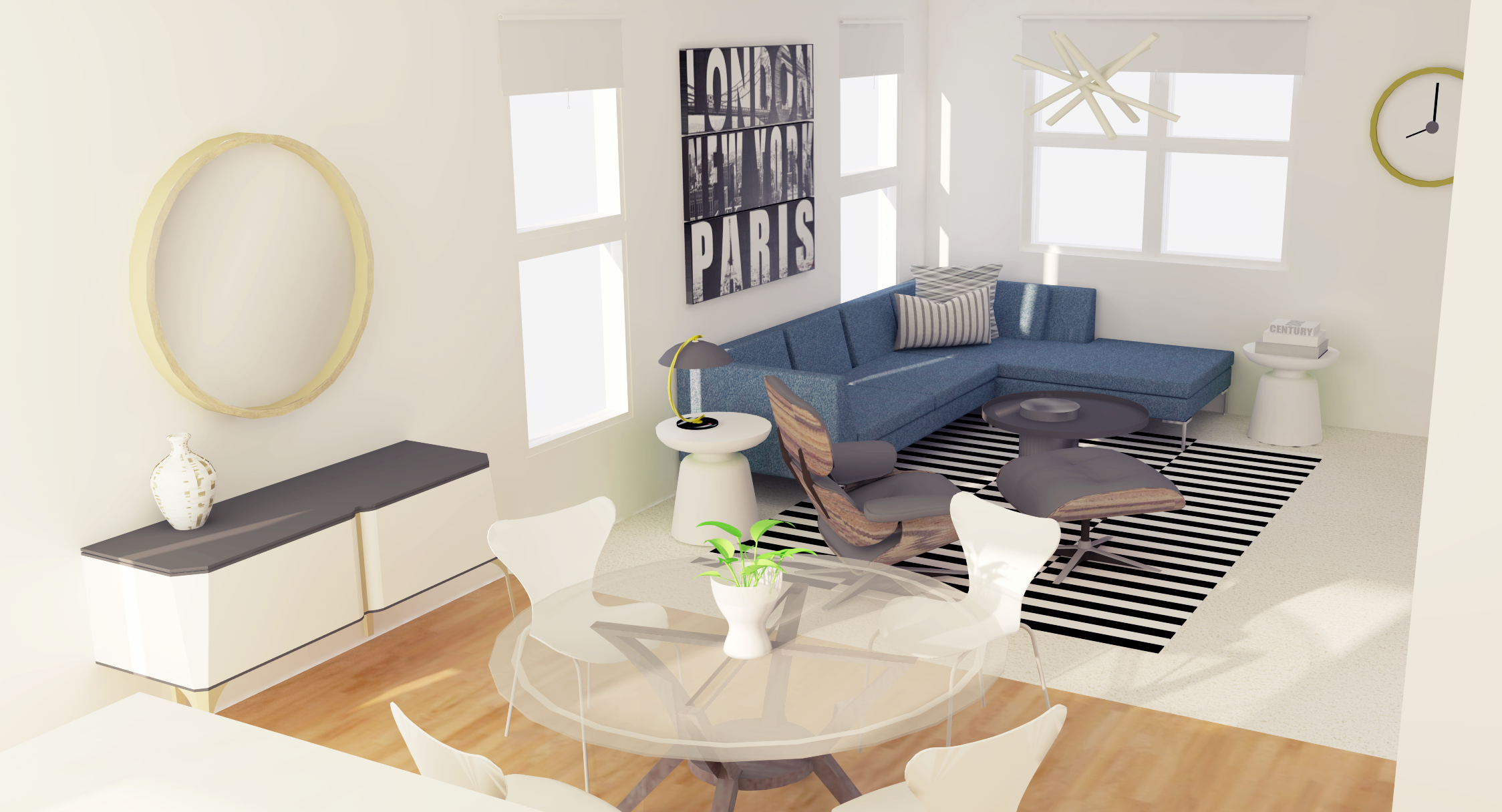
When I renovated my first house, it was a painful trial and error process. I had all the ideas of what I wanted the interior to look like. I also took every dimension and ordered every sample I could. The end result left me disappointed. I knew it could have been much better. I had to live with it for the next ten years before I sold the house. My question is why I insist on trying on a $100 pair of shoes but left a $20,000 renovation to chance. Since then I have been trying everyday to learn about interior design, the knowledge, and the skills needed to make better decisions. I also acquire a set of skills which allow me to create photographic 3D images of interiors. In a way, I am now able to “try on” a design before breaking ground. In my rendering, every detail is accounted for. All furniture is scaled to size. All materials look very much like what I see them at the store. Lighting is exact to the hour of day, in case of natural lighting, or to the type of light sources, in case of artificial lighting. Everything is put together, adjusted for total satisfaction, and can be seen from different angles. I am able to leave very little to chance.

I know hiring an interior designer is somewhat intimidating. However, you deserve to see your choices before you commit. Interior renovation is a long term investment. Unlike uncomfortable shoes that can be left unworn, you have to live in the house no matter what. Let’s “try on” your designs and make decisions beforehand. All you need to do is call.

Sound of Home - Interior Design - interior design - california

Wow factor

By Interior Design

Most of my clients tell me that they want a “wow factor”. I guess it is something that we hear very frequently on HGTV! My immediate response usually is: “Who do you want to impress?” It is an important question because the answer to the question decides the design. A house used to entertain will be designed differently from a personal retreat. Knowing the answer also helps make decisions and allocate budget, e.g. whether to invest in a reading chair or a twelve-seat dinning table, or whether to skimp on the material and splurge on the decor.

Many of my clients agree with me that they learn a great deal about themselves and the way they interact with interior spaces through the renovation/redesign process. People realize that they feel more comfortable with certain colors and textures. They also understand that who is actually the protagonist in their own house. In many cases, it is the dog or the child. In other cases, it is the opinionated sister who does not live there or a friend who has an amazing house.

Anyway, we all want a beautiful and comfortable home where we can indulge ourselves and impress others. In order to have that, let’s ask another question: “What makes us happy the most?”

Sound of Home - Interior Design - interior design - california

The real look book

By Interior Design

What should our living space look like? It shouldn’t resemble a furniture showroom or be an exact replica of the images we see in magazines or on Pinterest. Why? Because almost no one ever lives in those spaces. The pictures are heavily staged and edited to look perfect, and a bookcase filled with only blue or yellow covered books suggests that they were chosen for their appearance, not their content. A bed adorned with too many accent pillows that are promptly thrown aside when we go to sleep is not practical. Professional stylists have access to large budgets and numerous items that are not usually available to us. In real life, our homes have a mix of items that are functional or meaningful to us.

Your home should reflect you; it is an extension of yourself. It contains items you need, want, and love. If the house is for your family, each family member should see themselves in the space. Therefore, shared interiors are likely to be eclectic. The challenging task is how to combine different items into a harmonious and practical collection. Investing in quality, essential items and paying attention to details are crucial. After that, you can relax and enjoy your space. A little imperfection and sloppiness can be charming and comforting.

I love to see my clients take good care of themselves, their living spaces, and the memories they create. A cancer survivor who fell in love with her meditation corner all over again, a grandmother who treated herself to a high-quality leather recliner for the first time, and a military officer who realized that frequent moving doesn’t mean that her belongings have to be temporary. These real-life “images” make much more sense to me than the ones in fancy catalogues.

Sound of Home - Interior Design - interior design - california

A simple mindset

By Interior Design

As an interior designer, my mindset and approach to styles and projects is guided by a few key principles. First and foremost, my style is simple but not minimal. I believe in creating spaces that are comfortable and inviting, where people can feel at ease and at home. I will never trade comfort for look, and my interiors are always designed with relaxation and serenity in mind.

At the same time, I am also attracted to unexpected, intricate, or exotic details. These details should be relevant to the owner(s) of the space, and I always take the time to get to know my clients and their personal preferences. I am especially excited if I have a “curator” as a client, someone who has a passion for collecting unique or unusual items. Whether it’s a collection of tea cups or cigar boxes, I love to work around these special treasures and incorporate them into the overall design.

When it comes to materials, I am always drawn to natural materials, but I care more about the way those materials are treated. I am mindful of the fact that many treatments can produce high volatile organic compounds (VOCs), which can be harmful to both human health and the environment. Instead, I prefer to use healthy recycled materials and eco-friendly products whenever possible. My designs tend to be humble and unpretentious, reflecting a deep respect for both the environment and the people who will be living or working in the space.

In terms of design elements, I also like to layer different textures, colors, and patterns to create a cohesive and interesting space. However, I am careful to choose elements that are easy to maintain and won’t require a lot of upkeep or cleaning. My priority is always to create a space that is functional and practical, as well as beautiful and inviting.

Overall, my approach to interior design is guided by a deep respect for my clients, their individual styles and preferences, and the environment. By incorporating unexpected details, natural materials, and eco-friendly products, I strive to create spaces that are both comfortable and visually stunning, while also promoting health and sustainability.